Specialist Tree Removal & Stump Grinding Services: Safely Enhance Your Landscape Today
Professional tree removal and stump grinding services play a crucial role in maintaining a safe and visually appealing landscape. Dangerous trees can pose substantial risks, while stumps can create obstacles and attract pests. Understanding the signs of tree distress and the processes involved in removal and grinding is essential for property owners. As landscapes change, so do the needs for professional intervention. What strategies do experts recommend for ensuring a healthy outdoor environment?
Are Hazardous Trees Impacting Your Safety?
How can one determine if hazardous trees pose a threat to safety? Examining the condition of trees is critical in detecting potential dangers. Elements such as visible decay, dead branches, and leaning trunks can indicate instability. Furthermore, the proximity of trees to property, walkways, or power lines elevates the risk of damage during storms or severe weather. Soil erosion around the root system may further compromise a tree's stability, making it more likely to falling.
Routine inspections by professional arborists can provide a detailed evaluation of tree health and safety. They can detect indicators of disease or infestation that may not be instantly visible. In addition, analyzing the surrounding landscape and its impact on tree stability is essential. Property owners should stay alert and proactive in observing their trees to ensure a safe environment for themselves and their neighbors, thereby preventing potential hazards before they develop.
Telltale Signs Requiring Tree Removal
Recognizing when a tree needs to be removed is vital for maintaining safety and property health. Indicators such as dead or dying branches, combined with unstable root systems, signal that a tree may pose a risk. Understanding these warning signals can help homeowners make informed decisions about tree removal.
Lifeless or Dying Trees
When trees begin to show signs of decline, including substantial leaf loss or extensive dead branches, it becomes essential for property owners to assess their condition. Dead or dying trees pose risks, including potential dangers to nearby structures and individuals. Discoloration of leaves, premature leaf drop, and the presence of fungi or mushrooms at the base can indicate decay. Additionally, a tree with a hollow trunk or large cracks may suggest internal damage. Property owners should consult with tree care professionals to evaluate the tree's health and determine the best course of action. Timely removal can prevent further damage to the landscape and ensure safety, making it essential to recognize these warning signs immediately.
Unstable Root Systems
The stability of a tree heavily relies on a well-developed root system, and evidence of instability can suggest an urgent need for removal. Noticing visible cracks in the soil around a tree's base or exposed roots can indicate that the root system is compromised. Additionally, trees that lean considerably to one side may have weakened roots that cannot support their weight, leaving nearby structures at risk. If a tree experiences sudden or excessive shedding of leaves, it may signal root stress, potentially leading to its demise. Additionally, fungal growth at the base can suggest decay within the root system. Homeowners should regularly inspect their trees and contact professionals if they detect any of these warning signs to protect safety and preserve the landscape.
What to Anticipate During Tree Removal?
As homeowners prepare for tree removal, they can expect a smoothly orchestrated process that prioritizes both safety and efficiency. Initially, a professional team will evaluate the tree's condition and surrounding environment, establishing the best approach for removal. This examination includes identifying potential hazards, such as electrical lines or adjacent buildings.
After establishing the plan, the team will ensure the area is secure, guaranteeing that bystanders and pets are at a safe distance. The removal process generally commences with trimming branches to lower the mass and minimize risk.
Next, the trunk is taken down in pieces, enabling safe and controlled descent. The team will use specialized equipment, such as chainsaws and ropes, to control the process efficiently.
Once the tree is down, they will remove debris, ensuring the area is left tidy. Homeowners can look forward to professionalism and expertise throughout the complete process, upgrading their landscape safely.
Critical Information About Stump Grinding
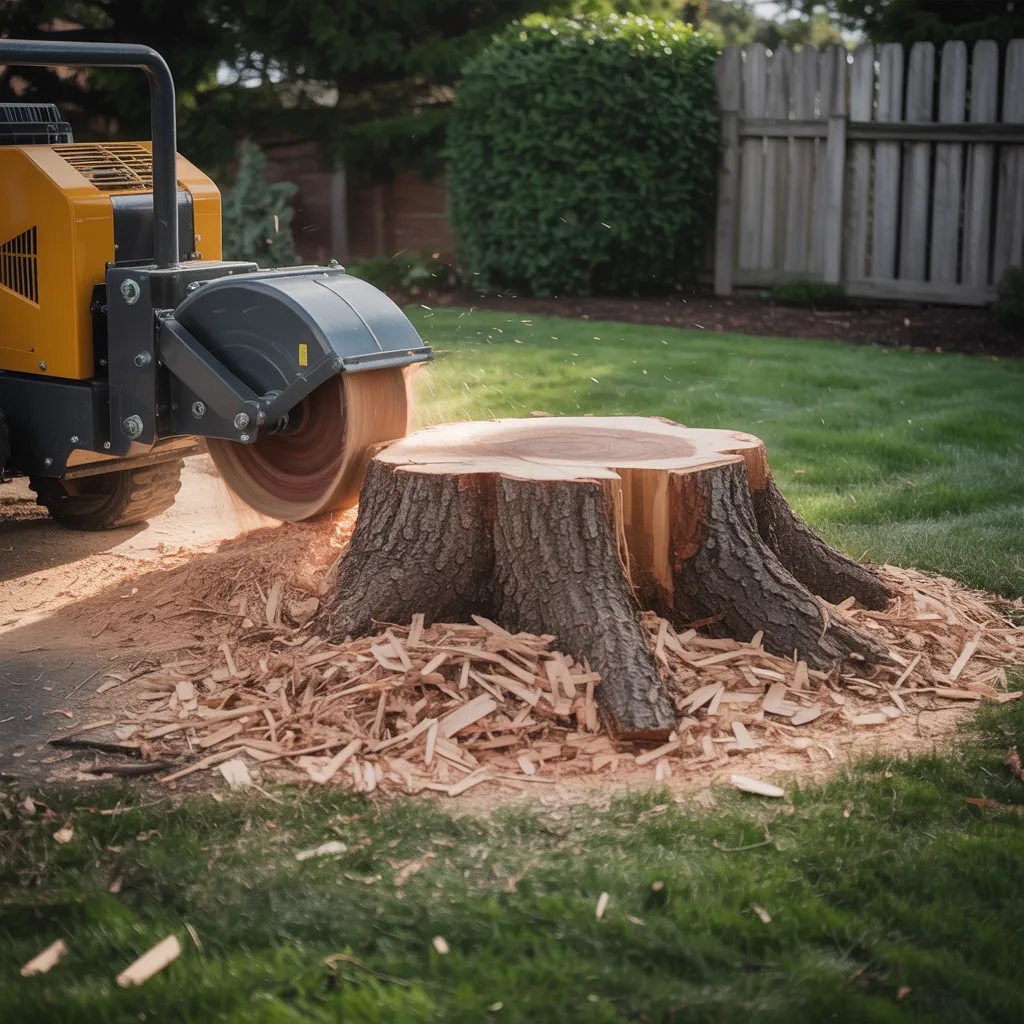
Stump grinding represents an essential phase in the tree removal process, often ignored by homeowners. This process involves employing specialized machinery to grind down the remaining tree stump to below ground level, which minimizes the visual impact on the landscape. Homeowners should recognize that stump grinding is not merely aesthetic; it also helps avoid potential hazards, such as tripping or damage to lawn equipment. Moreover, removing the stump minimizes the risk of pest infestations, as decaying wood can attract insects like termites or carpenter ants.
The stump grinding process commonly involves a professional operator who will evaluate the stump's size and access this information location before beginning work. The resulting wood chips can be utilized as mulch or hauled away from the property. It's vital to hire qualified professionals, as inadequate grinding can result in soil erosion or damage to surrounding plants. Homeowners should consider stump grinding an integral part of their tree removal plan.
Why Stump Grinding Matters for Your Landscape
Stump grinding serves an important function in enhancing the total aesthetic appeal of a landscape by eradicating unsightly tree stumps. In addition, it aids in ward off pest infestations, as rotting stumps can lure unwanted insects and critters. Therefore, implementing stump grinding into landscape maintenance results in a healthier and more visually appealing outdoor space.
Enhanced Aesthetic Charm
How can the removal of an unsightly tree stump significantly transform a landscape? Stump grinding serves a vital function in enhancing the aesthetic appeal of outdoor spaces. By eliminating the remnants of an old tree, homeowners can develop a clean and polished look that elevates the overall visual harmony. This process enables seamless landscaping opportunities, making possible the planting of new flora or the installation of decorative features without obstructions. Moreover, a stump-free environment promotes a more inviting atmosphere, facilitating social gatherings and outdoor activities. The absence of stumps not only elevates the beauty of the property but also increases accessibility, making it less difficult for residents and visitors to navigate through the landscape. All in all, stump grinding is crucial for an attractive and functional outdoor space.
Preventing Insect Infestations
What potential hazards could be lurking under an unattractive tree stump? Tree stumps often become habitats for pests including termites, ants, and beetles. These insects are not only unsightly but can also pose significant risks to surrounding vegetation and even the structural integrity of nearby buildings. When the stump deteriorates, it invites these pests, causing infestations that can migrate to healthy trees and vegetation. Stump grinding efficiently eradicates this danger by eliminating the stump and its root structure, consequently interrupting the living space for pests. Additionally, it supports a stronger landscape, permitting new plants to prosper without rivalry from decomposing wood. Investing in stump grinding is a preemptive approach in keeping a pest-free and thriving outdoor space.
How to Select the Best Tree Service Specialists
Upon selecting tree service professionals, what factors should one consider to guarantee quality and safety? First, it is crucial to verify credentials such as licenses and insurance. Licensed professionals demonstrate compliance with local regulations, while insurance guards against potential liabilities during the job. Next, consider their experience and expertise. Established companies with a solid track record are prone to deliver reliable services.
When selecting tree service professionals, what factors should property owners evaluate to ensure quality and safety? First, it is essential to verify credentials including licenses and insurance. Licensed professionals display compliance with local regulations, while insurance shields from potential liabilities throughout the job. Next, consider their experience and expertise. Reputable companies with a solid track record are apt to deliver consistent services.
When picking tree service professionals, what aspects should homeowners examine to ensure quality and safety? First, it is crucial to verify credentials like licenses and insurance. Licensed professionals show compliance with local regulations, while insurance safeguards against potential liabilities during the job. Subsequently, consider their experience and expertise. Experienced companies with a strong track record are better positioned to deliver dependable services.
Furthermore, testimonials and feedback from former clients deliver understanding into their reliability and work quality. Obtaining complete written estimates helps in analyzing services and understanding the breadth of work. Lastly, investigate the equipment and techniques used, as current tools and safety practices contribute to a successful outcome. By considering these factors into account, individuals can make informed decisions when selecting tree service professionals, ultimately securing both their investment and property.
Lasting Rewards of Tree Removal and Stump Grinding
Tree removal and stump grinding provide substantial lasting benefits that reach beyond basic aesthetic improvements. By removing dead or diseased trees, homeowners can avoid potential hazards, such as falling branches or tree collapse, ensuring safety for property and residents. Additionally, removing unwanted tree stumps enhances the usability of outdoor spaces, allowing for simpler landscaping, mowing, and recreational activities.
In addition, stump grinding helps to mitigate pest infestations, as deteriorating stumps can attract insects and rodents. This preemptive measure preserves surrounding flora and encourages a healthier ecosystem. Moreover, the removal of overcrowded trees can improve sunlight penetration and air circulation, promoting better growth for remaining plants.
Over time, tree removal and stump grinding contribute to a easier to manage landscape, minimizing upkeep requirements and expenses. On the whole, these services foster a safer, more vibrant, and better-looking outdoor environment.
Frequently Asked Questions
How Can I Prepare My Yard for Tree Removal?
To prepare for tree removal, it's important to eliminate any obstacles in the area, designate the tree's boundary lines, examine adjacent structures, and notify neighbors. Maintaining safety and access is essential for an effective removal process.
Is Tree Removal Covered by Homeowners Insurance?
Tree removal could be covered by homeowners insurance, depending on the circumstances. Policies typically cover damage from storms or hazards, but not for preventative removals. Homeowners should check their policy coverage or contact their insurance agent for clarification.
Can I Plant New Trees After Stump Grinding?
Indeed, new trees can be planted after stump grinding. Nevertheless, we recommend you wait several weeks for the area to properly settle and ensure that any remaining roots do not interfere with new growth.
What Takes Place with the Soil After Stump Grinding?
Following stump grinding, the soil often becomes loosened and enhanced with natural nutrients from broken-down wood. Nonetheless, it may require further modification for optimal nutrient balance to encourage new plant growth effectively in the area.
What Is the Typical Duration of Tree Removal?
Tree removal typically takes several hours to an entire day, determined by considerations like tree size, location, and complexity. Professional arborists examine these factors to offer an accurate estimate for the entire process.